

Vacancy loss is one of the most significant challenges property owners face, often costing more than just the missed rental income. While the absence of tenants is the most obvious problem, there are hidden costs that can quietly drain your profits. Here’s how to minimize those hidden costs and improve your property management strategies.
Problem 1: Increased Maintenance and Repair Costs

Vacant properties can deteriorate when maintenance is neglected. Issues like plumbing leaks or pest infestations worsen over time if no one is living in the unit.
Solution:
- Proactive Vacancy Management & Preventive Maintenance:
- Vacancy Monitoring System: Use smart sensors for water leaks, humidity, and HVAC health to prevent costly damage while the unit is empty.
- Caretaker Tenant Program: Offer a small rent discount to a trusted tenant in a multi-unit building in exchange for weekly vacancy checks.
- Energy-Efficient Upgrades: Use vacant periods for quick, high-ROI improvements like LED lighting, smart thermostats, and air sealing to reduce future costs.
Why it Works: Prevents property degradation, reduces long-term repair costs, and enhances property value.
Problem 2: Marketing and Advertising Expenses
Filling vacancies requires effective marketing—ads, listings, staging, and showings. If a unit stays vacant longer, marketing costs add up.
Solution:
- Always-On Leasing & Marketing Pipeline:
- Continuous Interest List: Capture leads year-round through your website, targeted ads, and referral programs before a unit becomes available.
- Pre-Approved Tenant Pool: Maintain a pre-vetted list of prospective tenants by collecting basic info and conducting soft credit checks.

Why it Works: Minimizes the time between tenants, reduces advertising costs, and ensures a steady flow of qualified applicants.
Problem 3: Utilities and Ongoing Operational Costs
Even without tenants, owners still face utility bills, property taxes, and maintenance fees. These fixed costs drain your budget when no rental income comes in.
Solution:
- Proactive Tenant Retention & Renewal Strategy:
- Early Renewal Offers: Begin lease renewal discussions 90-120 days before lease-end with tiered incentives based on tenant history and market conditions.
- Customized Incentives: Offer options like small rent credits, preferred parking, or minor upgrades to encourage early renewals.
Why it Works: Reduces turnover uncertainty, secures stable income, and improves tenant satisfaction.
Problem 4: Decreased Property Value
A neglected, vacant property can lose value due to wear, damage, or even vandalism.
Solution:
- Reputation & Property Value Protection:
- Active Vacancy Staging: Keep units looking lived-in with curtains, smart lighting, and weekly light cleaning to deter vandalism.
- Security & Maintenance Partnerships: Work with local security firms and landscapers to ensure the property remains appealing and well-maintained.
Why it Works: Prevents stigma associated with long vacancies, protects the property’s value, and maintains a competitive edge.
Problem 5: Lost Opportunity for Rent Increases
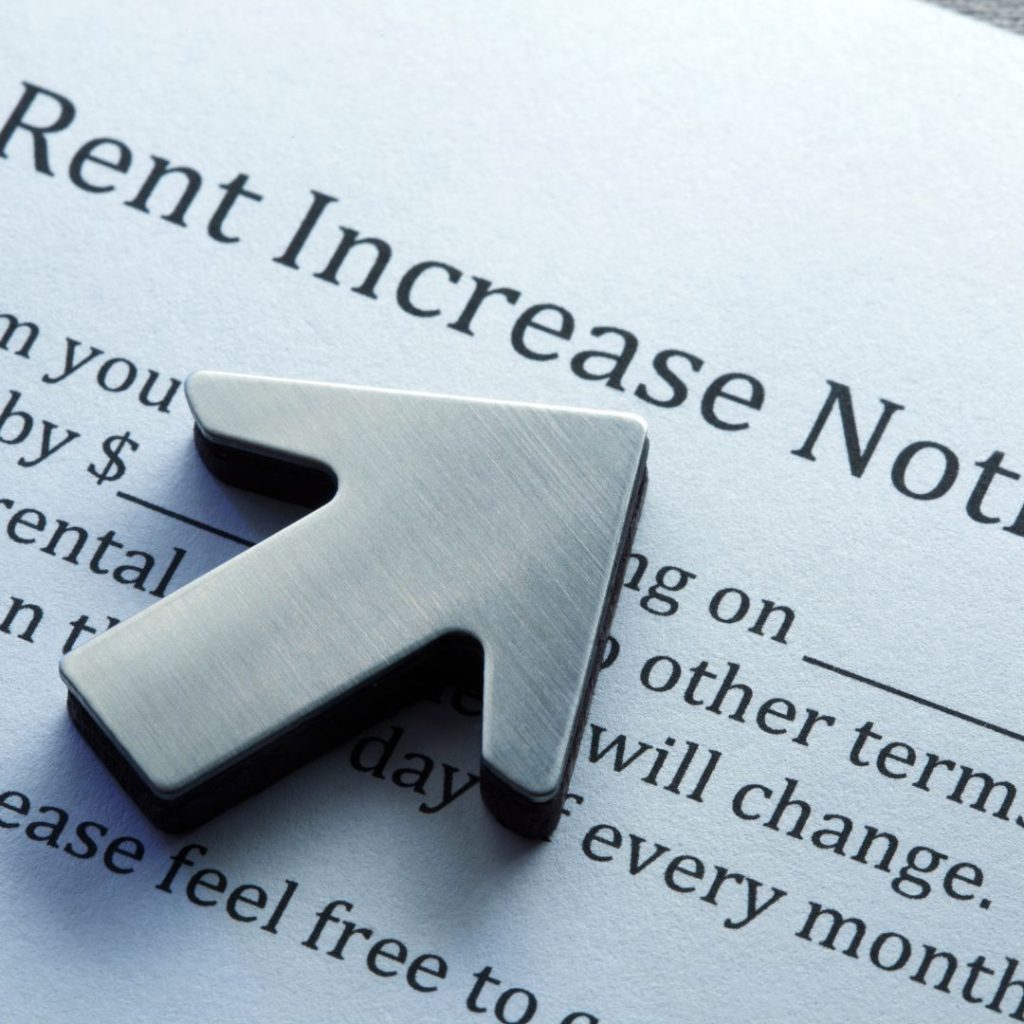
If vacancies drag on, you might be tempted to lower rents to attract tenants. This reduces your overall rental income potential and misses market rent growth opportunities.
Solution:
- Out-of-the-Box: “Lease Term Choice” Pricing Matrix
- How it Works: Advertise a clear pricing matrix based solely on the lease length commitment chosen by the tenant upfront. Example:
- 10-Month Lease: $2100/month
- 12-Month Lease: $2050/month
- 18-Month Lease: $2000/month
- 24-Month Lease: $1975/month
- Prevention Angle: Empowers qualified tenants to choose their price point based on their commitment level. It might mean slightly less rent per month on longer leases, but you secure extended occupancy, drastically reducing turnover costs and vacancies risk.
- How it Works: Advertise a clear pricing matrix based solely on the lease length commitment chosen by the tenant upfront. Example:
Why it Works: Encourages tenants to make a commitment while giving you predictable, long-term occupancy without sacrificing income too much.
How Casanomy Property Management can help?
With 30 years of experience, we’ve developed effective strategies to handle vacancies and minimize your losses. Some of the ways we can help include:
- Pricing properties strategically based on market trends.
- Conducting thorough tenant screenings to ensure reliable tenants and reduce turnover.
- Advertising across multiple platforms to maximize your property’s visibility.
- Managing routine maintenance and repairs to keep your property in top condition.
- Implementing the “Seamless Transfer” Program:
We also offer a unique solution for multi-property owners. Our “Seamless Transfer” Program allows good tenants who need to move (whether to upsize, downsize, or move to a different neighborhood) to easily transfer to another property within our portfolio with minimal friction. Tenants are given priority access to upcoming vacancies, with a simplified application process, and may even be eligible for a small loyalty moving credit. This program helps retain reliable tenants, reducing turnover and minimizing vacancy periods.
And, of course, planning ahead: We always work with our tenants to schedule move-out dates, allowing us to begin marketing your property in advance. Whether it’s a regular lease, RHSP, or Section 8, we know the timelines and take proactive action to ensure minimal vacancy.
In the end, the best way to manage vacancy loss is by trusting the experts with the experience to navigate the complexities of property management and ensure your investment stays profitable.