
HOA Compliance Risk
7-minute read – HOA & Association Compliance – For Multi-Property Landlords
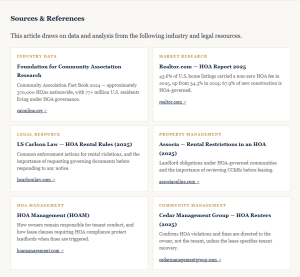
As of 2025, 43.6% of U.S. homes listed for sale carry an HOA fee, up from 34.3% just six years earlier. Across the West and Northwest suburbs, that growth shows up directly in the townhome and condo developments filling out Hoffman Estates, Bartlett, Addison, and Bensenville. For an experienced landlord, it means a growing share of your portfolio now sits inside a private rulebook that can override your lease, and the HOA rules Chicago landlords routinely overlook are exactly where the fines start.
The Investment That Looked Fine on Paper
Buying a rental inside an HOA or condo association has real appeal: maintained common areas, consistent curb appeal, and a level of order that tends to attract reliable tenants. Many landlords across DuPage and Cook County’s western and northwestern suburbs have built solid portfolios this way.

A landlord may believe everything is under control, the unit is rented, rent is collected, the investment is performing. Then a violation letter arrives over a rule the owner never knew existed, and a profitable rental starts funding penalties instead of equity.
The HOA Rules Chicago Landlords Often Don’t See Coming
HOA and condo associations across Hoffman Estates, Bartlett, Addison, Bensenville, and the Dundee-area communities each operate under their own governing documents — and the rental requirements buried inside them vary widely from one association to the next.
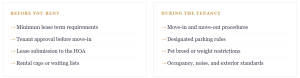
The critical issue: these rules apply even when your lease is already signed and active. You’re accountable to your tenant under the lease, and to the HOA under its CC&Rs, at the same time. Managing both without a system in place is where costly mistakes happen.
How Weekly Fines Quietly Erode Your NOI
A $100-per-week fine doesn’t sound like a crisis on day one. But run the math: that’s over $5,000 a year, paid directly out of rental income that was supposed to be yours. Instead of generating cash flow, the property is now funding penalties, and consuming hours you didn’t budget for.
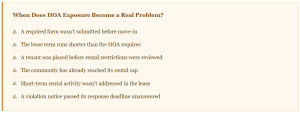
For landlords managing several properties across different associations, each with its own enforcement calendar, missing even one deadline can start a chain reaction across the portfolio.
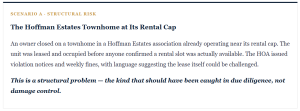
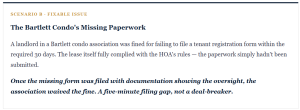
Two Versions of the Same Mistake
Not every HOA issue carries the same weight. Here’s what that looks like in practice.
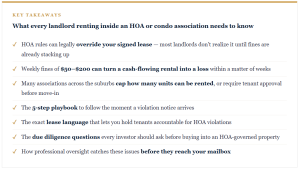
The 5-Step Playbook When a Violation Notice Arrives
If a notice lands in your inbox, here’s the professional response.
1. Act Immediately — Don’t Ignore It: HOA issues get more expensive when ignored. Fines accumulate and deadlines pass. Read the notice, confirm the deadline, save a copy, and start gathering information the same day.
2. Request the Exact Rule Being Enforced: Ask for the specific governing document section, the full fine schedule, any cure period, and the appeal process. Not every violation notice is correctly applied.
3. Determine If It’s Fixable or Structural: A missing form is correctable in days. A rental cap or a lease term shorter than the HOA’s minimum is a different kind of problem entirely.
4. Respond Professionally, Not Emotionally: How you communicate shapes the outcome. A calm, documented response that requests specifics gets further than an emotional one ever will.
5. Document Everything: Keep every notice, email, lease document, HOA submission, and payment record. If a dispute escalates, this paper trail is your strongest asset.
What Your Lease Must Say to Protect You
Many landlords only discover the lease gap after fines start arriving. A strong lease should explicitly require the tenant to follow all HOA rules, covering parking, pets, trash, noise, guests, smoking, move-in/move-out, and common area use.
Without that language, recovering costs from a tenant whose behavior triggered the fine can be difficult, even when the tenant is clearly at fault.
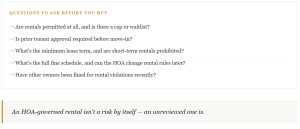
HOA Due Diligence Before You Buy
If you’re evaluating a property inside an HOA community, the rules need to be part of your underwriting, not an afterthought after closing.
How Professional Management Closes This Gap
Many landlords across the West and Northwest suburbs have found that the most effective HOA strategy isn’t responding well to a violation — it’s never receiving the notice at all.
In our experience managing portfolios across these communities, professional oversight means reviewing governing documents before a property is listed, confirming rental eligibility, educating tenants on community rules at move-in, and tracking every association’s paperwork and deadlines — across every property in a portfolio, not just one.
For landlords managing units across several HOA communities, each with its own rules and enforcement style, that kind of organized oversight is the difference between a portfolio that performs and one that quietly bleeds.
Tell Us About Your Experience
The HOA rules Chicago landlords overlook rarely announce themselves before they get expensive. The investors who treat association rules with the same diligence as taxes and financing are the ones who keep their returns intact.

This article is intended for general educational purposes only and does not constitute legal or financial advice. HOA rules, state laws, and enforcement procedures vary by jurisdiction and by association. Consult a licensed attorney or qualified property management professional for guidance specific to your situation.